
Summer Services
montauk overview
montauk overview
The Montauk Art Theater
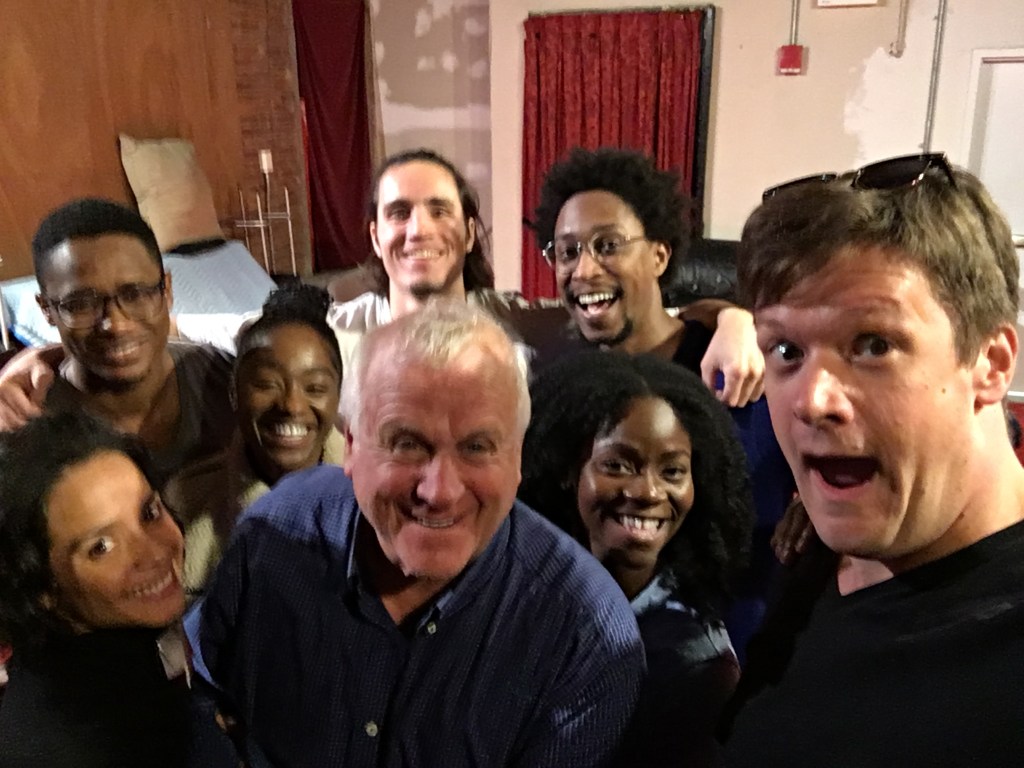
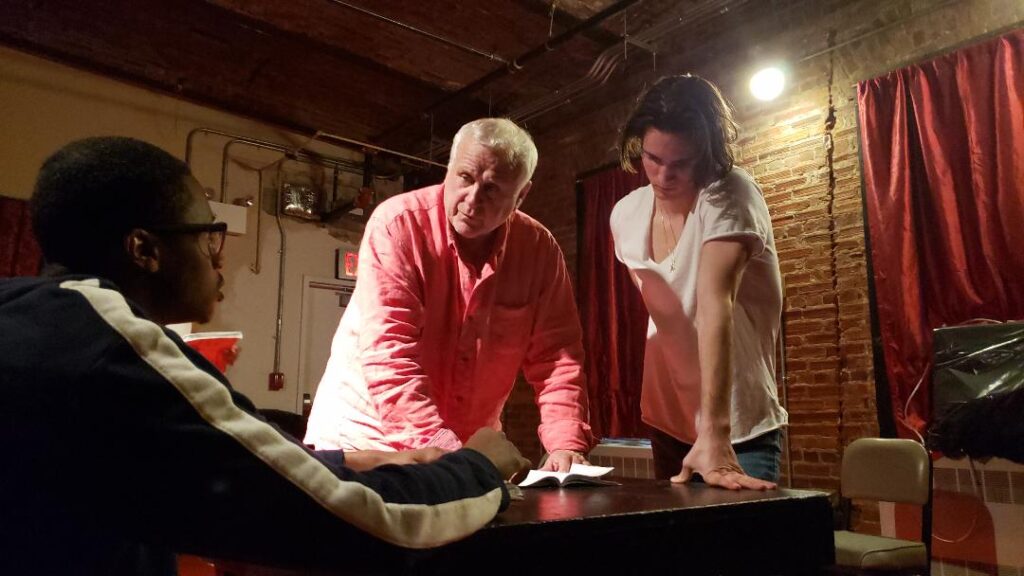
Founded by Gary Swanson in 2006, The Montauk Art Theater is an all-encompassing sanctuary and safe place for actors to work, develop, and tell their stories, using their own lives, with a limitlessness for the pleasure and edification of others. The Montauk Group refers to our company of actors. The Montauk Art Theater represents our NYC-Montauk-based school for beginners and professional actors.
Gary has forged relationships with several major film companies, executives, and industry insiders. Our program provides a unique opportunity to meet people who work in the industry and gain valuable insight from their experience.
The Montauk Group Mission
CREATE, CHANGE, HEAL AND TEACH
By Gary Swanson
The creative mind wakes me up.
The electric charge that jump – starts my day begins with the synergy in
the arts and those who bundle imagination, concepts, feelings with
strong beliefs. Artists assemble these abstract concepts into forms then
work to nurture these creations to fruition. I want to be part of that
experience.
The artist has the power to entertain, to heal, and even to teach.
The mission is to mold these forms, torn from the chaos of the universe,
then, reshape that bounty into beautiful, films, paintings, novels, sonatas
with choreographed images and sounds that forever settled in the minds
of those privileged to witness a pirouette with music. Study Auguste
Rodin’s “The Thinker”, bent over, with his chin on his clinched fist,
forever contemplating the mystery of the human spirit, and that inert
sculpture challenges viewers to think, feel and examine our own lives.

These dreams of creation demand courage. Creating something from the ether is one of the most daunting tasks known to man. But, to improve the human condition, advancing life through art is the essence of life. Bruce Springsteen, in the documentary, “From the Edge Of Night”, talks about the empty stage before a concert. He said that before he and The E Street Band step on to the stage – there is nothing there. Nothing. Empty as an egg waiting for the seed to enter the sphere and create new life. When they do step on the stage and start to play and sing, suddenly, the artists and the audience come to life. It is at that moment that the Art has reached fruition through years of work as the music fills the stadium for an experience that, for some, will leave them changed forever. Springsteen’s music has that kind of artistic power. Art has been working for us long before archaeologists discovered scrawling images along the walls of caves. Many aspects of our immediate lives are also showing signs of becoming redundant, noisy, and, in some circumstances, destructive. Our work as artists – at least from my perspective – is as important, perhaps even more relevant than the advancement of science, technology, theology or finance. I’m not sure if the iPhone or the PC are preparing us to live better in the future. Or are the millisecond needs created by these devices rolling us to a frenetic leap into oblivion? Di Vinci, Franklin, and Thomas Paine all lived well into their eighties. They did well without cell phones and computers. And they got a lot done.
Art forms are the veins that run throughout the body of history. Without art, civilization would end with certainty. With art, there is a chance that it will not end. I realize that this theory is vulnerable to rolling eyes and shaking heads, but at what point does technology stop advancement and start destruction? Oppenheimer and Teller wrote that they, themselves, were afraid the Manhattan Project and their creation of the atom bomb could become the commencement of the end of mankind. I’m not denigrating the advancement of technology; cell phones, computers, HD cameras, and medical imaging machines are great tools. But that is all they are. Some say we had better health care years ago when doctors did exhaustive, detailed, personal work-ups on patients, combining the human being’s vigilance with a stethoscope’s augmentation of sound.
Tools are there to serve our advancement, not for our idolatry. After all, truth told, I’m writing on a computer, using spell check, and answering questions with Google while my cell phone lays within hands reach. I use them constantly – as tools.
Where are the great films or television dramas of today that explore who we are and why we do what we do? The Kraft Television Theater or The Hallmark Hall of Fame, done live before millions of people in the 50s, was partially responsible for this writer/actor/teacher’s passion and hunger for that former quality of writing, driving great performances of well-trained actors. The mystery of the human condition still trumps the computerized car crash or Spider-Man knitting himself from a skyscraper to the 59th Street Bridge. The results of these films disregard human involvement, like a robot cooking show; the human gets to taste the repetitive cuisine of a soulless chef. I’m afraid that the lightning-speed growth of technology has overwhelmed us, our need to fight for art, and the love of the labor to create.
Are we using our minds and spirits to see the truth? Is the news any longer our focus when images are so HD sharp, we can almost notice the bloodshot eyes of the hung-over anchorwoman? Is the new opiate the ugly horror of “The Jersey Shore” lowering our ideals, expectations, and standards until we all but lose our civilization? We only need to go back to some of the great silent films starting with Louse Le Prince’s “Round Hay Garden Scene” to “The Jazz Singer”, or Orson Wells’ great classic “Citizen Kane” to confirm that there was always great film. “The Honeymooners” are as funny and relevant today as they were when they
were shot live with black and white kinescope cameras on a sound stage, the music of the human audience breathing, clapping and laughing as the show unfolds validates in perpetuity the treasure left to us with the human being using technology to advance our march into the future. “The Honeymooners” has become a document of our existence shooting far beyond Gleason’s dream of making people laugh. In 1974 Francis Coppola wrote and directed “The Godfather” Masterpiece series when an average computer would fit in a garage.
We may have become an impatient lot, unable to sit through edited shots not longer than three seconds. But we still know when we can’t leap out of our seats because a film or an O’Neal play, with well-trained actors, quiets us with pleasure, transporting us by the beauty of art and the exploration of the human condition.
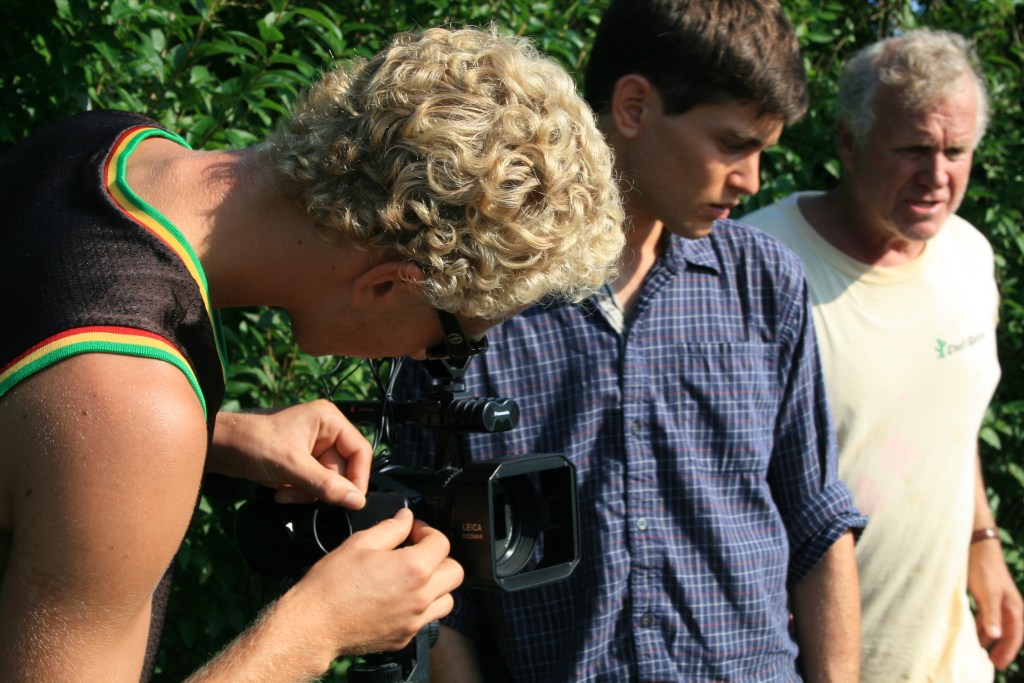
The last five years of my summers have been my stumbling attempt to capture on film the work of the artist, specifically the art of acting; to continue to seed the ground for our work in theater and film, hopefully, before the art is smothered by the dazzle and zing of mechanical innovation and the corporate need to keep the masses paying them for an abyss of flotsam and jetsam. I do not think I have yet to break the cold ground with footage that will earth – shake the majority, but I feel gratified that I’ve had actors struggle with who they are and what they can give back to an audience from their chore, from the essential seat of their powers. I have five years of compelling footage of that acting process logged in…. Hard Drives!
This summer, The Montauk Group is continuing the struggle to create a better world by inviting true artists to do what Ilia Kazan and Lee Strasberg did for past generations. They taught, gave back and passed the baton to those destined to break new ground for the future artists of the world. I have invited successful directors, producers, writers, actors, casting agents and musicians to participate throughout the winter and into the spring. These artists have become leaders in the field. All are invited to work with like-minded artists who would rather learn how to dig for gold in a stream than drink beer on a Saturday sports bar while yelling at a flat screen HD TV.
Gary Swanson
To be considered for one of the openings please complete the application and follow the instructions.
This application is a PDF that you can fill out on your computer by typing in your answers, or you can print it out, fill it in by hand, scan it, and email it back to us.